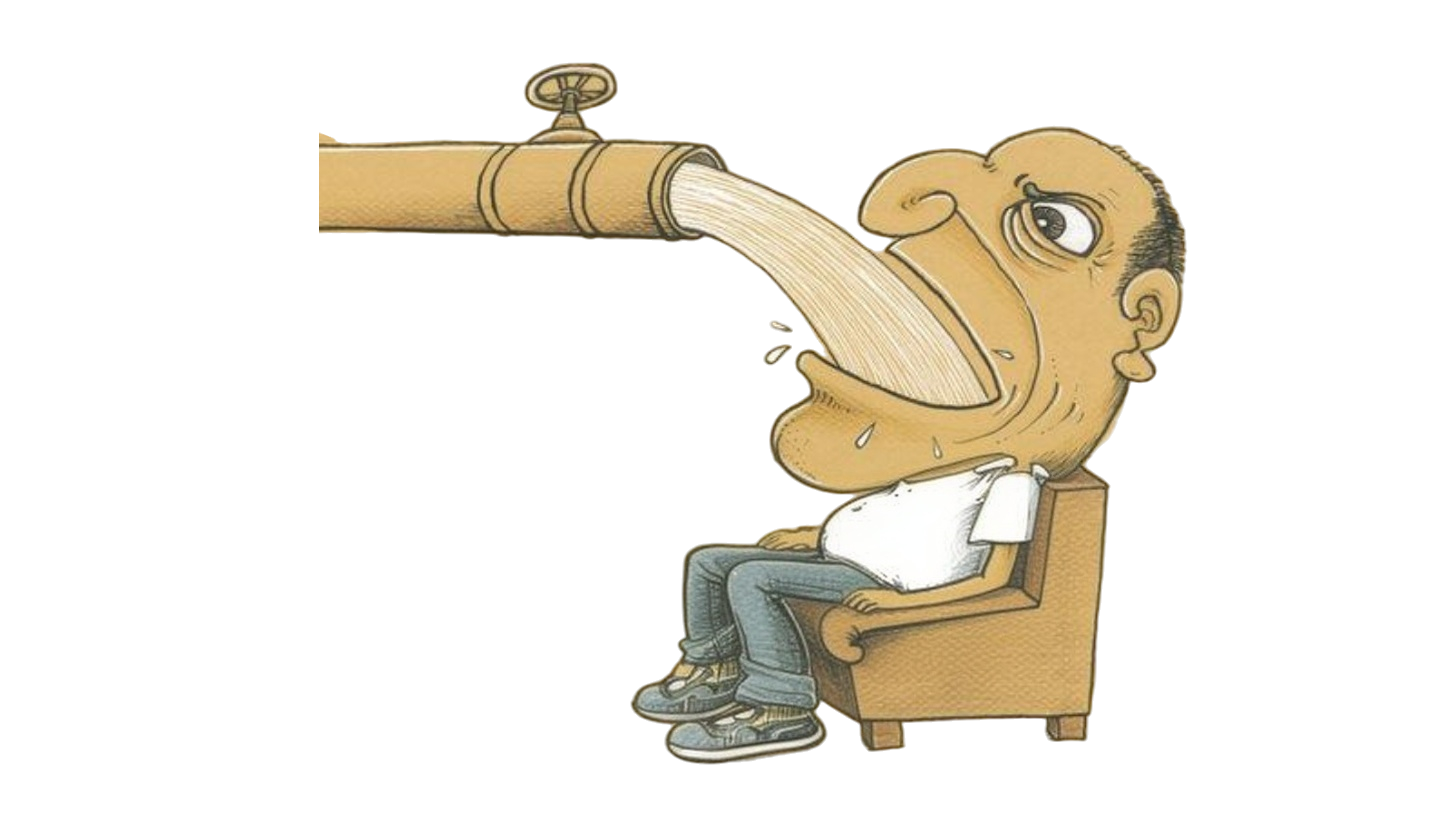
Culture should not be streamed

- Streaming abolishes the prerequisites for genuine aesthetic encounter
- Algorithm curation confuses behavioral patterns with meaningful relationships
- Context collapse flattens meaning
- Infinite choice breeds anxiety
- Streaming economics favor quantity over quality
- Artists are not well payed
 Saint Margaret of Antioch attacks a demon with a hammer
[3]
Saint Margaret of Antioch attacks a demon with a hammer
[3]
1. Streaming abolishes the prerequisites for genuine aesthetic encounter
In the spectrum of various art experiences there are at least two distinguishable categories: passive consumption and engagement. Although engagement is still possible, streaming abolishes the prerequisites that facilitate it. These encounters require time, attention, commitment to difficulty and a willingness to be confused or challenged. When these conditions are met, the experience becomes disruptive, uncomfortable, uncanny or even violent but also revelatory, absorbing, or thrilling.
When I was a kid, I had an mp3 player with maybe a dozen albums. Constraint forced repetition, and through that repetition I built relationships with the artist and work. The infrastructure itself facilitated depth. Now, to approximate that kind of encounter, I have to manually add friction through researching the context, commitment to listening without skipping, and resisting the algorithm's suggestions. The conditions for engagement no longer emerge naturally from the medium, but have to be crafted against its design.
What's the point of all this effort? Because this is one of the moments when I feel alive, and I suspect it's a more universal feeling. Streaming undermines this. When you have infinite choice, can skip and change anytime, you're not encountering the work. None of this means that passive consumption is inherently "bad". Background entertainment has its place, but it is an incredible loss if most if not all of our art experiences are reduced to a function of mood regulation.
2. Algorithm curation confuses behavioral patterns with meaningful relationships
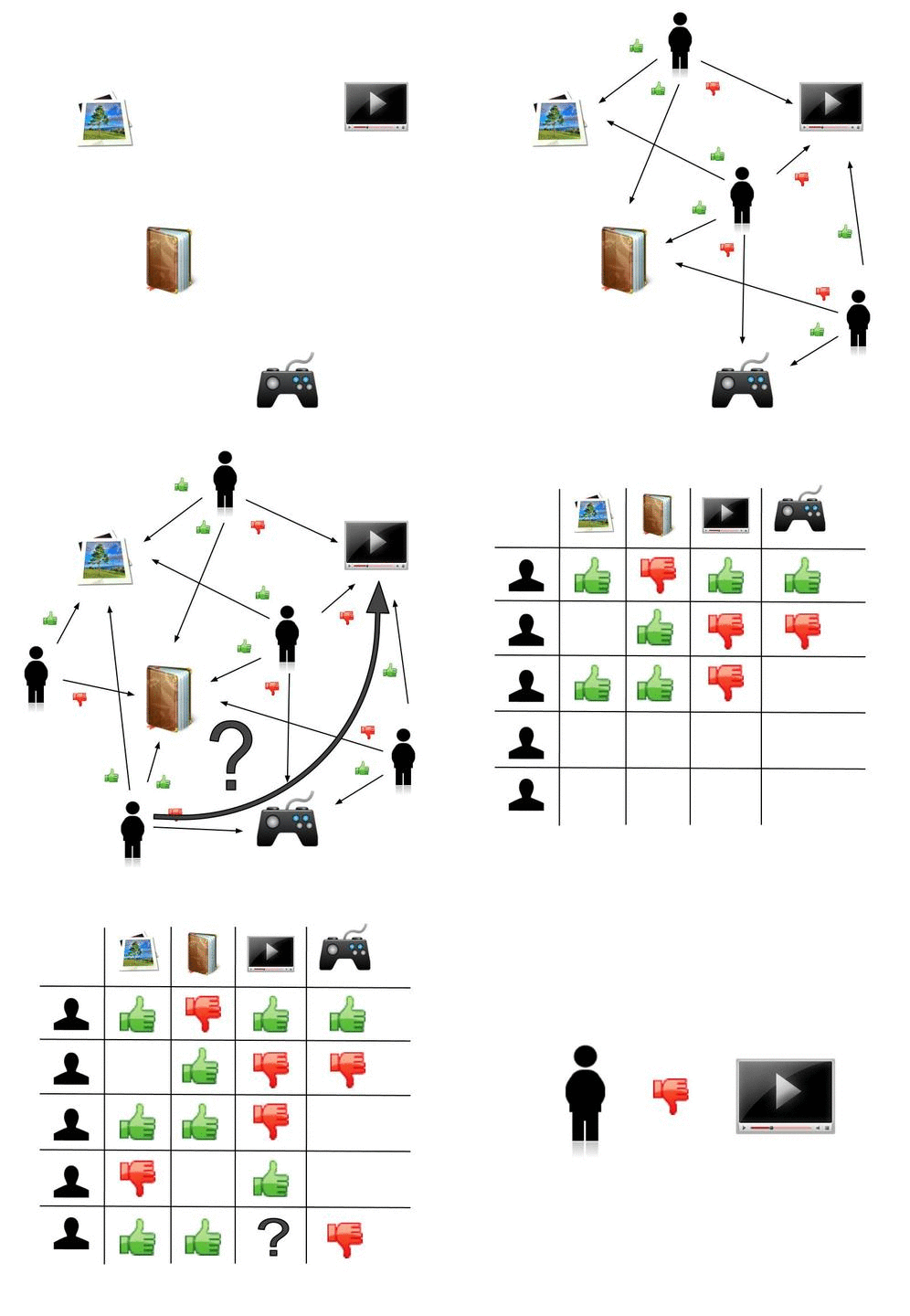
Streaming platforms use recommendation algorithms. One common approach is to track what we liked/disliked, find users who behave similarly, and recommend content based on that similarity. This algorithm is called Collaborative Filtering and is presented in Figure 4 and Algorithm 1 below ☝️🤓.
 Collaborative filtering
[4]
Collaborative filtering
[4]
Algorithm 1. Collaborative Filtering
- Track which artworks you thumbs up or thumbs down
- Find other users who thumbs up/down similar artworks as you
- Look at what other artworks those users thumbs up
- Filter out artworks you've already rated
- Rank remaining artworks by thumbs up count from similar users
- Recommend top-ranked artworks to you
This is all super nice, and we've definitely found a lot of great art thanks to recommendation algorithms. But these systems have a fundamental limitation: they can't distinguish between behavioral correlation and meaningful connections. Maybe artworks have meaningful relationships, or maybe people just play both while studying. The algorithm sees the pattern but misses the meaning. It will recommend something not because the works are actually related, but because the same type of person uses both in similar contexts and behavior gets confused with taste.
 "Everyone's a Curator Now"
[5]
"Everyone's a Curator Now"
[5]
A person's own path through culture and life is random and personal. What we happened to encounter, who we talked to, what we were obsessed with last year. These accidents create connections that emerge from lived experience rather than data patterns. Curators might recommend something that shouldn't fit your "profile" but does, because their particular journey through life revealed a relationship that exists outside any algorithm's logic.
This is also related to "3.Context collapse flattens meaning".
4. Infinite choice breeds anxiety
The infinite catalog becomes an anxiety engine. There's always something better, newer, or more relevant just one click away == FOMO (👎)
Solutions
- Buy it
- Nina Protocol
- Bandcamp
- Unfortuantely there is no way to buy and download movies legally :(. There are options from Apple or Amazon (🤢) but you don't really own the content. You're just renting it.
-
Piracy
- Torrents (How to use torrents)
- Tool for downloading music from Tidal: tidal-dl-ng (GitHub)
Inspirations
- Inspiration for the 'theses' look: 95 Theses nailed to the church door
- Font inspiration: Die Rote Fahne